Tips
Men's Nutrition Questions? Expert Answers Here
What should men eat daily?
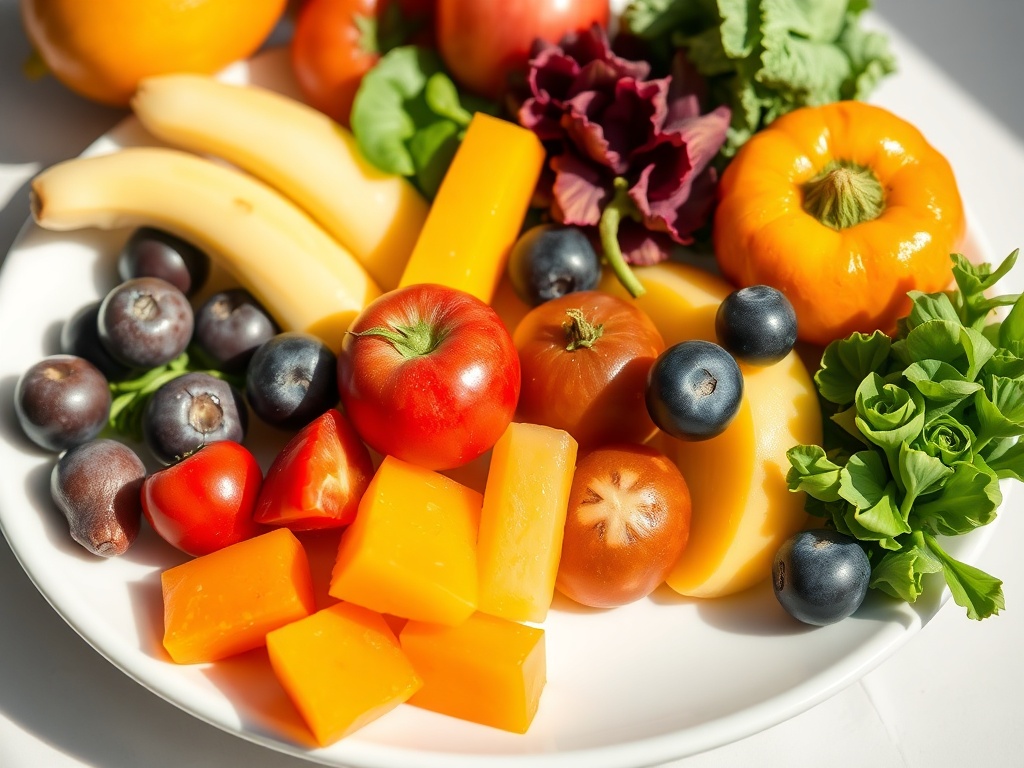
Proper nutrition forms the foundation of male health and fitness success. Men require adequate protein to build and maintain muscle mass, complex carbohydrates for sustained energy, and healthy fats for hormone production. A balanced diet should include lean meats, whole grains, vegetables, and fruits. Hydration is equally critical, as most men don't drink enough water. Understanding your individual caloric needs based on activity level ensures optimal results whether building muscle or maintaining weight.
Why is proper nutrition important?
Nutrition directly impacts energy levels, muscle recovery, strength gains, and overall health outcomes. Men often overlook dietary fundamentals while chasing workout intensity, yet food quality determines physical performance. Deficiencies in essential nutrients can cause fatigue, poor recovery, hormonal imbalances, and reduced workout effectiveness. A structured nutritional approach complements exercise routines, accelerates progress, and prevents chronic health issues. Investing in proper nutrition yields faster, more sustainable results than training alone.
What are essential micronutrients for male health?
Vitamins and minerals support testosterone production, immune function, bone density, and cardiovascular health. Zinc, magnesium, and vitamin D are particularly crucial for men's hormonal balance and muscle function. B vitamins enhance energy metabolism, while iron supports oxygen transport and endurance. Selenium protects cellular health, and potassium regulates heart function. Most men benefit from a varied whole-food diet, though supplementation may be necessary depending on individual circumstances and blood work results.
How much protein do men need daily?
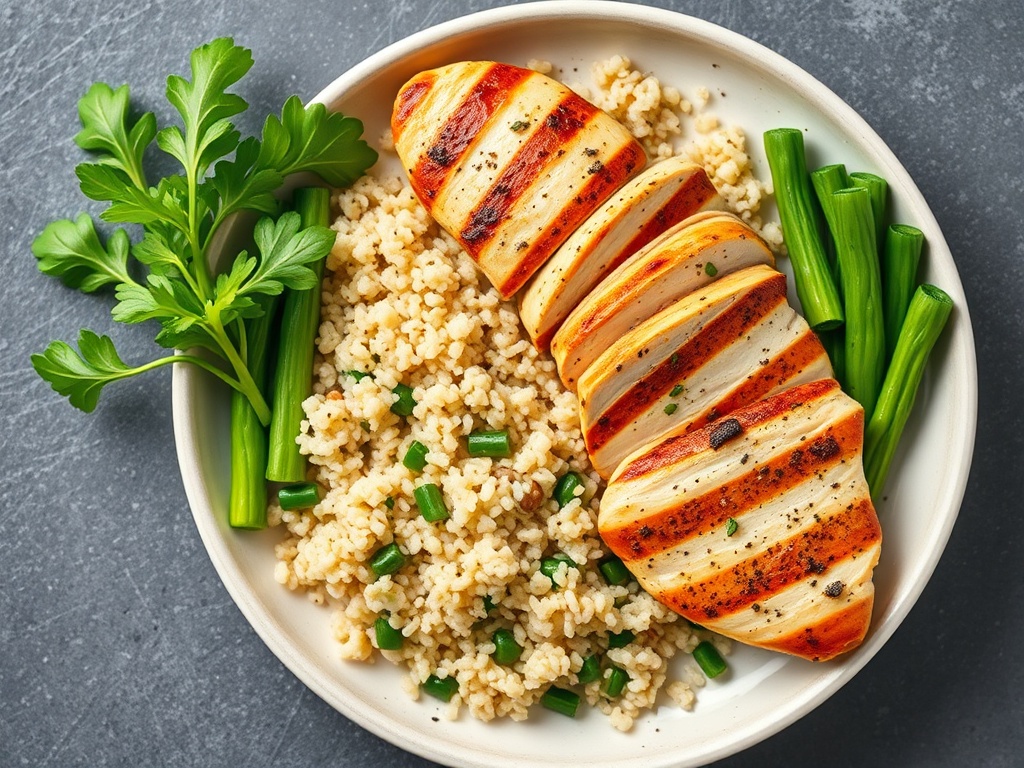
Protein requirements depend on activity level, age, and fitness goals. Sedentary men need approximately 0.8 grams per kilogram of body weight, while active men building muscle benefit from 1.6 to 2.0 grams per kilogram daily. Distribute protein intake across meals for optimal muscle protein synthesis. Quality sources include chicken, fish, eggs, Greek yogurt, legumes, and nuts. Timing protein intake around workouts enhances recovery, though total daily intake matters more than precise timing.
Which foods boost testosterone naturally?
Foods rich in zinc, selenium, and vitamin D support healthy testosterone levels naturally. Oysters, red meat, pumpkin seeds, and almonds provide abundant zinc. Fatty fish like salmon deliver vitamin D and omega-3 fatty acids. Cruciferous vegetables such as broccoli contain compounds that optimize hormone metabolism. Garlic, ginger, and turmeric offer anti-inflammatory benefits supporting hormonal health. Brazil nuts provide selenium, while dark chocolate contains minerals supporting circulation. Combine these foods with adequate sleep and stress management.
How to optimize hydration for performance?
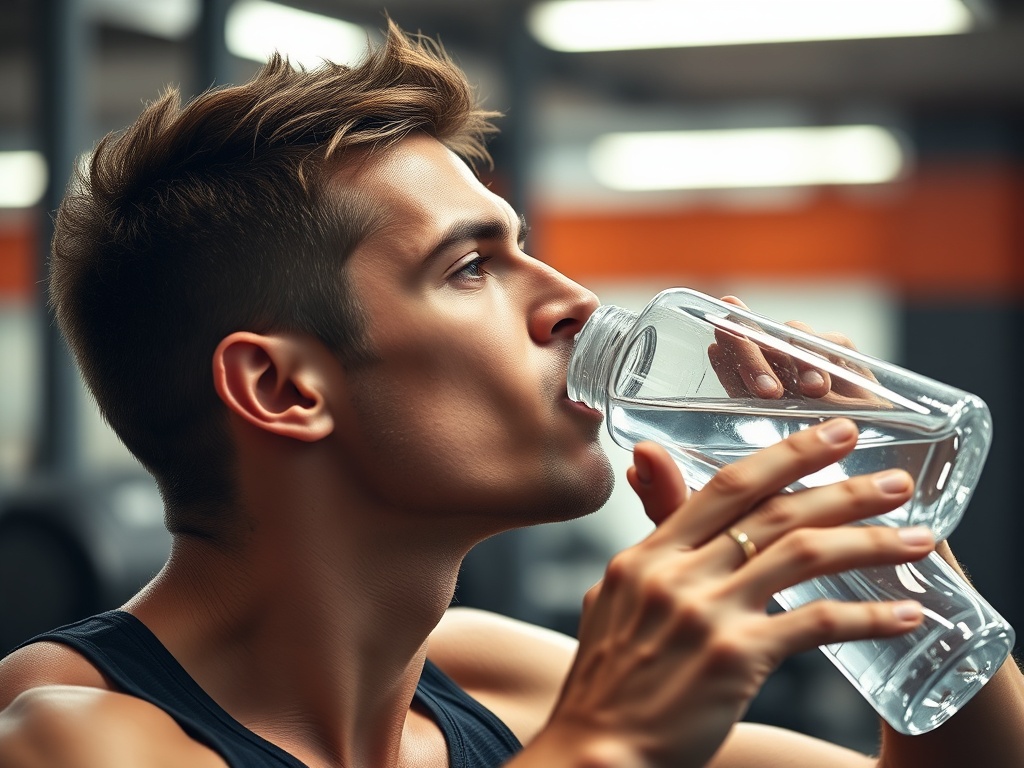
Proper hydration enhances strength, endurance, concentration, and recovery capacity. Most men require at least half their body weight in ounces of water daily, increasing significantly with exercise. Electrolytes like sodium, potassium, and magnesium become important during intense or prolonged training. Monitor urine color as a hydration indicator—pale yellow suggests adequate intake. Drink water consistently throughout the day rather than only during workouts. Coffee and alcohol increase fluid loss, necessitating additional water intake.
Customize these nutrition tips based on your goals

Should men take nutritional supplements?
Supplements support nutrition when whole foods alone cannot meet requirements, though food should remain primary. Common beneficial supplements include whey protein powder for convenience, creatine monohydrate for muscle performance, and omega-3 fish oil for cardiovascular health. Multivitamins may address deficiencies, particularly vitamin D in winter months. Consult healthcare providers before starting supplements to ensure safety, quality, and appropriateness for individual circumstances and medications.
What timing works best for meals?
Meal timing influences energy, performance, and recovery outcomes. Eat balanced meals three to four hours before workouts to ensure adequate energy. Post-workout meals within two hours support recovery and muscle growth. Breakfast within one hour of waking jumpstarts metabolism and mental function. Spacing meals four to five hours apart maintains steady blood sugar and energy. Individual preferences and schedules matter more than rigid timing—consistency in total daily nutrition surpasses perfect meal timing.
How can men maintain healthy body composition?
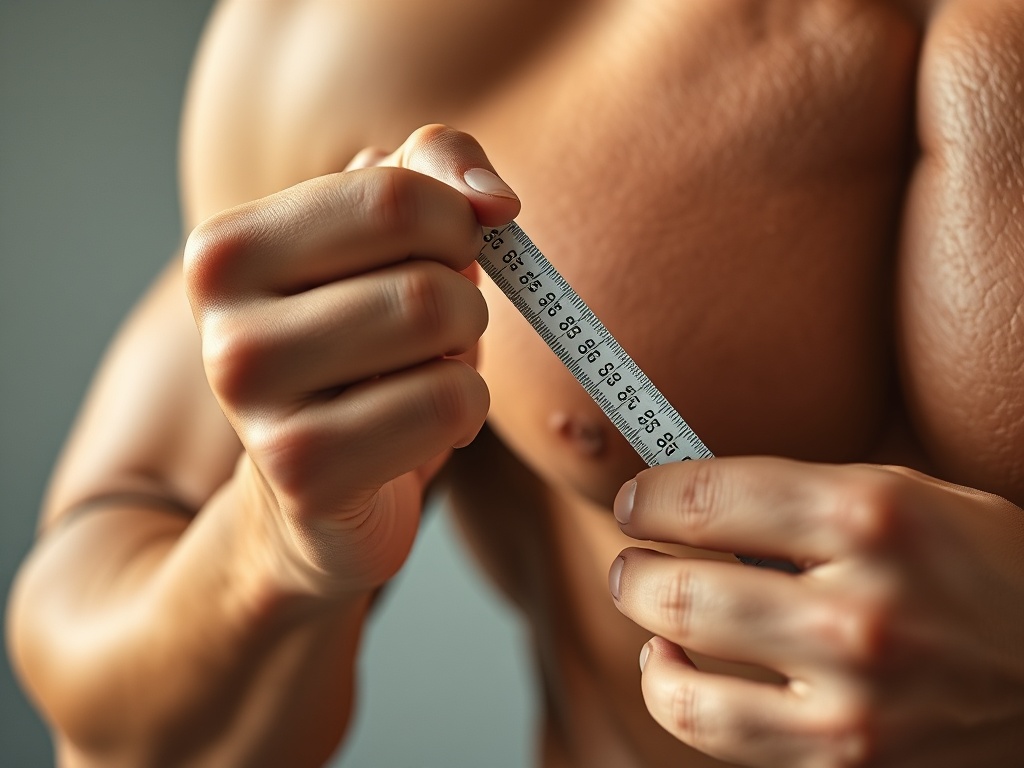
Sustainable body composition changes require combining proper nutrition with resistance training and adequate rest. Prioritize protein intake to preserve muscle while creating moderate caloric deficits for fat loss. Include strength training three to four times weekly to build and maintain muscle mass. Sleep seven to nine hours nightly for recovery and hormonal balance. Reduce processed foods while increasing whole foods. Track progress through measurements, photos, and how clothes fit rather than daily scale weight.
What about pre-workout nutrition timing?
Pre-workout nutrition fuels performance and maximizes training quality. Eat a full meal containing protein and carbohydrates three to four hours before exercise, or a lighter snack one to two hours prior. Good options include banana with peanut butter, oatmeal with berries, or toast with eggs. Avoid excessive fat or fiber immediately before training as these slow digestion. Adequate hydration matters more than specific foods—drink water consistently leading up to workouts.
How to recover after intense training?
Post-workout recovery combines nutrition, hydration, and rest. Consume protein and carbohydrates within two hours after training to replenish energy and support muscle repair. Stretch, foam roll, and engage in light activity to enhance circulation without adding stress. Sleep remains the most powerful recovery tool—aim for seven to nine hours nightly. Manage stress through meditation, breathing exercises, or relaxation activities. Ice baths and massage may help serious athletes, though they're unnecessary for most men.
Can nutrition improve gym performance?
Absolutely. Proper nutrition directly enhances strength, endurance, focus, and recovery capacity during training. Adequate carbohydrates provide energy for intense efforts. Sufficient protein supports muscle function and growth. Micronutrients enable countless physiological processes essential for performance. Hydration maintains physical and mental capacity. Anti-inflammatory foods reduce soreness and accelerate recovery. Combined with consistent training and sleep, optimized nutrition dramatically improves gym results and athletic performance over time.

Get your personalized nutrition assessment
Our certified nutritionists specialize in men's health